A well-upgraded home allows children to explore, learn, and grow without constant restriction. It also gives parents peace of mind, knowing that risks have been reduced at a structural and environmental level. The following sections walk through practical ways to achieve that balance, focusing on real-world upgrades that make a meaningful difference. Along the way, you’ll start to notice how small adjustments—like repositioning furniture or improving lighting—can complement larger structural changes and create a more cohesive safety strategy.
Evaluating Your Home for Overlooked Safety Risks
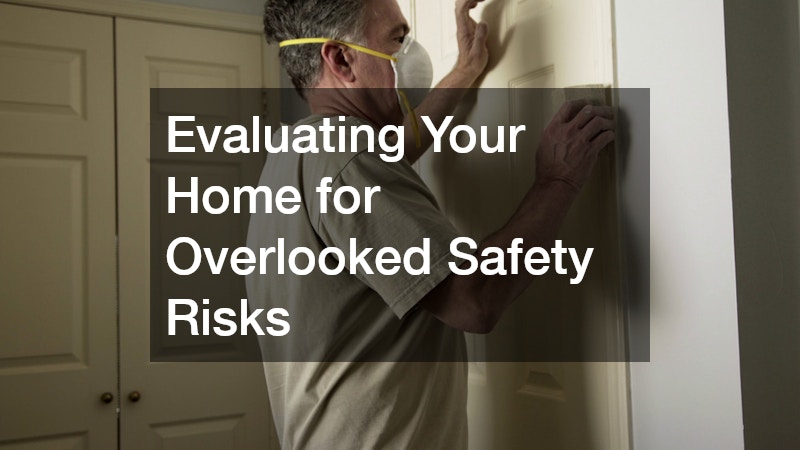
Before making any upgrades, it’s worth taking a step back and assessing your home as it currently stands. This isn’t a quick glance—it’s a deliberate walkthrough where you look at every space from a child’s perspective.
Start by observing how your home feels underfoot. Uneven floors, subtle slopes, or cracks can become tripping hazards for toddlers just learning to walk. In older homes, these issues may point to deeper structural concerns. Addressing them through house leveling can restore stability and prevent future problems from worsening.
Beyond structural concerns, think about leftover materials or outdated installations. For example, old patios, broken steps, or chunks of deteriorating concrete can pose risks both inside and outside. Removing these hazards through proper concrete disposal not only improves safety but also opens the door for cleaner, more functional spaces.
As you evaluate, take notes. You might find:
- Areas where children could easily climb or fall
- Loose fixtures or unstable furniture
- Poor lighting in high-traffic zones
- Surfaces that become slippery when wet
It can also help to observe your child in motion. Watch how they move through rooms, where they pause, and what draws their attention. These real-life behaviors often reveal risks you might otherwise overlook. This process doesn’t need to happen all at once. In fact, spreading it out over a few days often leads to better observations. The goal is to build a clear, realistic understanding of where your home stands before deciding what to change.
Securing Outdoor Spaces for Everyday Play and Exploration
Outdoor areas are where children burn energy, explore nature, and develop independence. But without proper safeguards, these same spaces can introduce unnecessary risks.
One of the most effective upgrades is installing a secure boundary around your yard. Working with a fence builder allows you to create a barrier that keeps children safely within view while preventing access to streets or neighboring properties. The design matters—visibility, height, and durability all play a role in how effective the fence will be.
Within that boundary, it’s important to consider what children might interact with. Utility elements like a propane tank often sit quietly in the background, but they require attention. Placing it in a designated, enclosed area—ideally out of reach and shielded from play zones—reduces the likelihood of tampering or accidental contact.
Beyond these larger features, small adjustments can have a big impact. Think about how your yard is arranged:
- Keep play equipment away from hard surfaces
- Create clear paths for walking and running
- Remove sharp tools or gardening supplies from open areas
- Use soft ground coverings like mulch or rubber mats in play zones
You might also consider adding shaded areas or seating spaces so supervision is more comfortable and consistent. A well-organized outdoor space doesn’t just prevent accidents—it encourages safe, confident play. Children can move freely, and you can relax knowing the environment supports their activity rather than working against it.
Improving Air Quality for Healthier Indoor Living
Air quality often goes unnoticed until it becomes a problem, but for children—especially those with developing lungs—it plays a critical role in overall health.
A good starting point is your home’s air conditioning system. Regular maintenance ensures that it circulates clean, filtered air rather than spreading dust, allergens, or contaminants. Simple steps like replacing filters on schedule and cleaning vents can significantly improve indoor air conditions.
However, some issues require a deeper look. One of the more serious concerns is attic mold, which can develop in spaces with poor ventilation or excess moisture. While it may not be immediately visible, it can affect the air throughout your home. Signs such as musty odors or unexplained allergy symptoms are worth investigating.
Addressing air quality isn’t just about fixing problems—it’s about prevention. Consider:
- Using dehumidifiers in damp areas
- Ensuring proper ventilation in kitchens and bathrooms
- Keeping windows clean and functional for fresh air circulation
- Vacuuming regularly with HEPA-filter systems
You may also notice that improving air quality leads to better sleep patterns and fewer minor illnesses in children. These benefits often make the effort feel even more worthwhile.
Strengthening Structural Protection From Top to Bottom
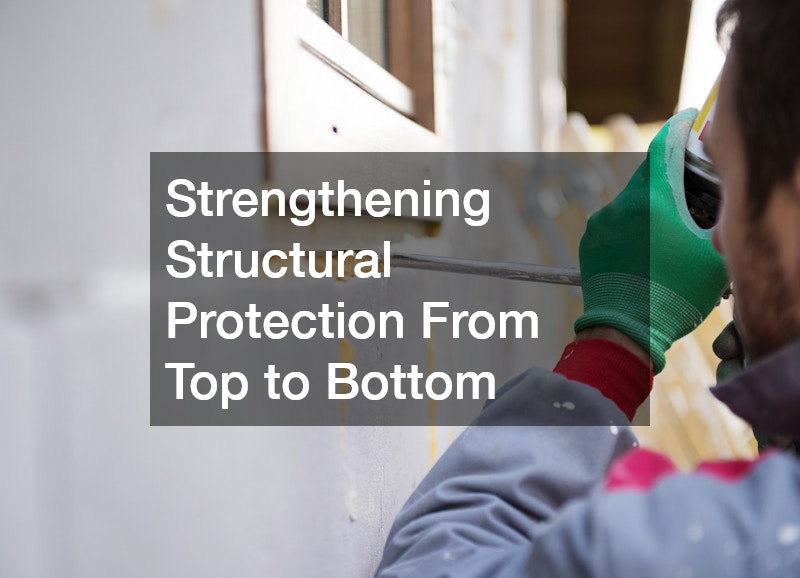
Your home’s structure serves as its first line of defense against the elements, and maintaining it is essential for long-term safety.
The roof, in particular, deserves attention. A professional residential roofer can identify weak points, leaks, or aging materials that might not be obvious from the ground. Even minor issues, if left unchecked, can lead to water damage, mold growth, or structural instability.
When upgrades are needed, material choice matters. Options like metal roofing supplies offer durability and resistance to harsh weather conditions. They can also improve insulation, helping maintain consistent indoor temperatures—a subtle but important factor for children’s comfort.
Beyond roofing, consider how gutters, siding, and drainage systems contribute to overall protection. Water that isn’t properly directed away from your home can seep into foundations or walls, creating long-term risks. Structural upgrades often feel less urgent than visible changes, but they’re foundational. A secure roof and stable framework protect everything beneath them, reducing the risk of unexpected issues that could disrupt daily life.
Reducing Bathroom Hazards Through Thoughtful Design
Bathrooms are one of the most accident-prone areas in any home, especially for young children. Slippery surfaces, hot water, and hard fixtures create a combination that requires careful planning.
One effective upgrade is installing a sturdy shower enclosure. Unlike flimsy curtains or poorly fitted doors, a well-designed enclosure provides a stable barrier that reduces the chance of slips and contains water more effectively.
Temperature control is another critical factor. Water that’s too hot can cause burns in seconds, which is why regular water heater repair and maintenance is essential. Ensuring that your system is functioning properly—and set to a safe temperature—adds an important layer of protection.
Beyond these upgrades, small adjustments can make daily routines safer:
- Add non-slip mats in tubs and on floors
- Install grab bars at child-friendly heights
- Use soft-close lids to prevent pinched fingers
- Store cleaning supplies in locked cabinets
You might also think about how children use the space independently. Lowering towel hooks or providing step stools with grip features can make the bathroom more accessible without compromising safety.
Managing Utility Systems With Safety in Mind
Utility systems are often tucked away, but they play a major role in home safety. When children are present, these systems need to be both functional and secure.
Take time to evaluate how accessible your equipment is. If a propane tank or similar component is exposed, consider adding barriers or protective enclosures. The goal isn’t to make it unreachable forever, but to prevent unsupervised interaction.
Similarly, water systems should be inspected regularly. Scheduling water heater repair when needed ensures consistent performance and reduces the risk of leaks or malfunctions. It also helps maintain safe water temperatures, which is especially important in households with young children.
A simple way to stay on top of these systems is to create a maintenance routine. This might include:
- Checking for visible wear or damage
- Listening for unusual noises during operation
- Scheduling professional inspections annually
It can also be helpful to label certain areas or explain basic safety rules to older children. When utility systems are well-maintained, they fade into the background—quietly supporting your home without introducing unnecessary risks.
Addressing Hidden Environmental and Structural Concerns
Some of the most significant safety issues are the ones you don’t see right away. Attics, crawl spaces, and basements often hide problems that can affect the entire home.
Moisture buildup, for example, can lead to attic mold, which impacts air quality and overall health. Even if children never enter these spaces, the effects can spread throughout the house. Addressing ventilation and insulation helps prevent these conditions from developing.
Structural shifts are another concern. Over time, homes can settle unevenly, leading to cracks, gaps, or unstable flooring. Addressing these issues through house leveling restores balance and reduces long-term risks.
You may also want to check for pests, insulation gaps, or outdated wiring in these less-visible areas. The key here is consistency. Periodic checks—even just once or twice a year—can catch problems early, before they escalate into larger, more expensive repairs.
Designing Safer Entry Points and Surroundings
Entryways are high-traffic areas where safety and functionality need to work together. For children, these spaces can be particularly risky due to constant movement and changing conditions.
Start by looking at the ground itself. Cracked or uneven surfaces can lead to trips and falls, especially during wet weather. Removing and replacing damaged materials through proper concrete disposal creates a smoother, more reliable path.
From there, consider how your home is enclosed. A well-installed fence, created with the help of a fence builder, adds an extra layer of protection around entry points. It helps control access and creates a defined boundary that’s easy to monitor.
Lighting also plays an important role. Well-lit entryways reduce visibility issues and make it easier to spot potential hazards. Motion-sensor lights are particularly useful, as they activate automatically when someone approaches.
You might also think about storage in these areas. Keeping shoes, bags, and outdoor gear organized prevents clutter from becoming a tripping hazard. These upgrades don’t just improve safety—they make everyday routines, like coming and going, feel more manageable and predictable.
Balancing Comfort Improvements With Safety Considerations
Comfort and safety often go hand in hand, but it’s important to ensure that upgrades in one area don’t introduce risks in another.
Temperature control is a good example. A reliable air conditioning system keeps your home comfortable during hot months, but it also needs to be properly maintained to avoid issues like poor air circulation or uneven cooling.
Roofing choices can also influence comfort. Materials such as metal roofing supplies help regulate indoor temperatures by reflecting heat and improving insulation. This creates a more stable environment, reducing the likelihood of extreme temperature fluctuations that can affect children’s comfort.
As you make these upgrades, think about how they interact with daily life. Are vents accessible? Are controls easy to use but out of reach for younger children? Smart thermostats, for instance, can help maintain consistent temperatures without requiring constant manual adjustment. These small considerations ensure that comfort systems support your household without creating new concerns.
Building a Long-Term Safety Maintenance Routine
Upgrading your home is only part of the process. Maintaining those improvements is what keeps your home consistently safe over time.
Think of maintenance as an ongoing cycle rather than a one-time task. Regular check-ins with professionals, such as a residential roofer, help ensure that key systems remain in good condition. Even something as simple as inspecting your shower enclosure for wear can prevent small issues from turning into larger problems.
It can be helpful to create a seasonal checklist:
- Spring: Inspect outdoor areas and clean up debris
- Summer: Check cooling systems and ventilation
- Fall: Prepare for colder weather and inspect roofing
- Winter: Monitor indoor air quality and heating systems
You may also want to keep a simple log of repairs and inspections. This makes it easier to track patterns and anticipate future needs. Involving older children in these routines can also be valuable. It teaches them awareness and responsibility, helping them understand how their environment works and how to stay safe within it.
Creating a Home Where Safety Feels Natural
A child-safe home doesn’t feel restrictive or overly controlled. Instead, it feels intuitive—spaces flow naturally, risks are minimized, and daily life unfolds without constant worry.
By making thoughtful upgrades and maintaining them over time, you create an environment that supports both safety and independence. Children can explore confidently, and you can focus on enjoying your home rather than constantly monitoring it.
The process doesn’t have to happen all at once. Even small, incremental changes can have a lasting impact. Over time, those changes add up, transforming your home into a place where safety is built into every corner.